
Honestly, having a small yard or no yard at all doesn’t mean you have to give up on gardening. Raised garden bed ideas for small spaces have completely changed the way people grow food, flowers, and herbs without needing a big plot of land. I think that’s kind of beautiful. Whether you’ve got a narrow balcony, a postage-stamp patio, or just a forgotten corner of your yard, there’s a raised bed setup that’ll fit your life. These ideas are practical, budget-friendly, and a lot of them are genuinely good-looking too. So let’s get into it.
Tiered Wooden Raised Beds for Vertical Growing
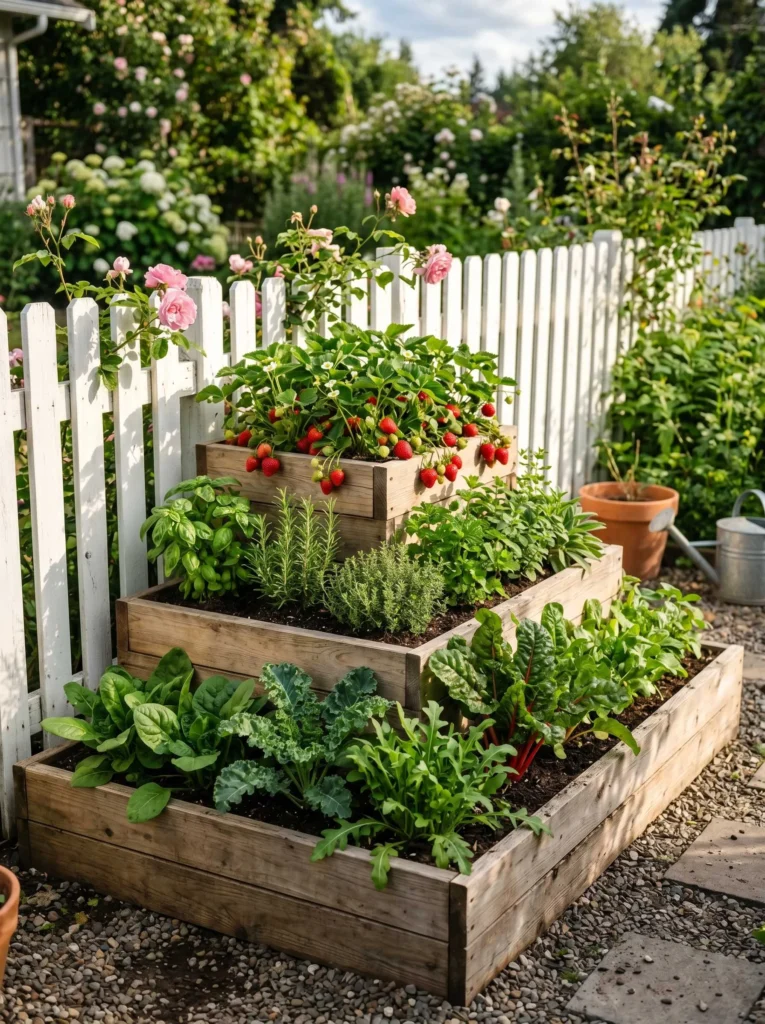
If you’re short on floor space, going vertical is honestly one of the smartest moves you can make. A tiered wooden raised bed gives you multiple levels of planting space without spreading out too far. You can grow strawberries on the top shelf, herbs in the middle, and compact greens like spinach or lettuce on the lower level. Cedar and redwood are great choices because they resist rot naturally and look really warm and inviting in any outdoor space. The stepped design also makes it easier to reach every plant without awkward bending. I love how these look against a white fence or brick wall it just adds this layered, intentional garden vibe that feels both structured and lush.
Corner Raised Beds That Use Every Inch
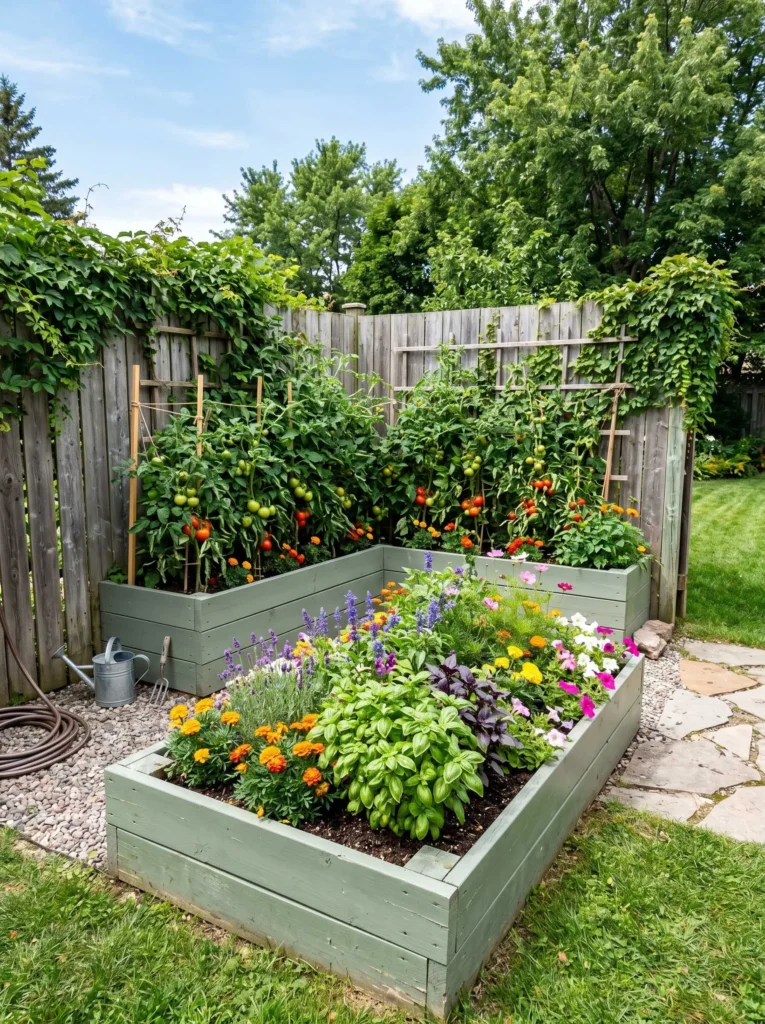
Corners are almost always wasted space, and that’s such a shame. A corner-shaped raised bed fits snugly into the angle of a fence or wall and gives you a surprising amount of growing room. You can build it in an L-shape or triangle depending on the corner you’re working with. Fill it with tall plants at the back like tomatoes or peppers, and shorter ones toward the front like basil or marigolds. It creates this really nice layered look and makes the corner feel purposeful instead of empty. For small patios especially, this kind of arrangement makes a huge visual difference.
Galvanized Steel Trough Beds for a Modern Look
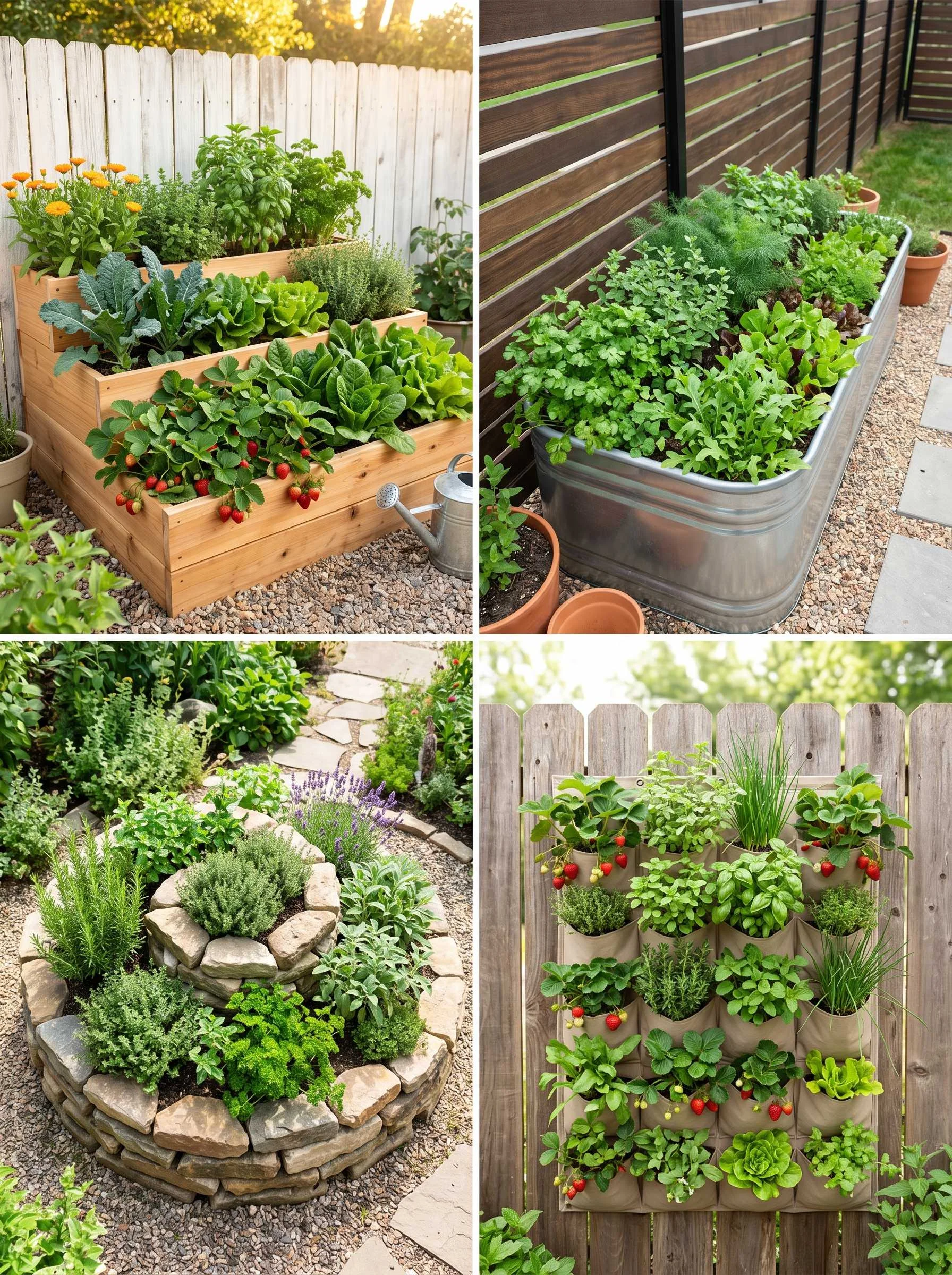
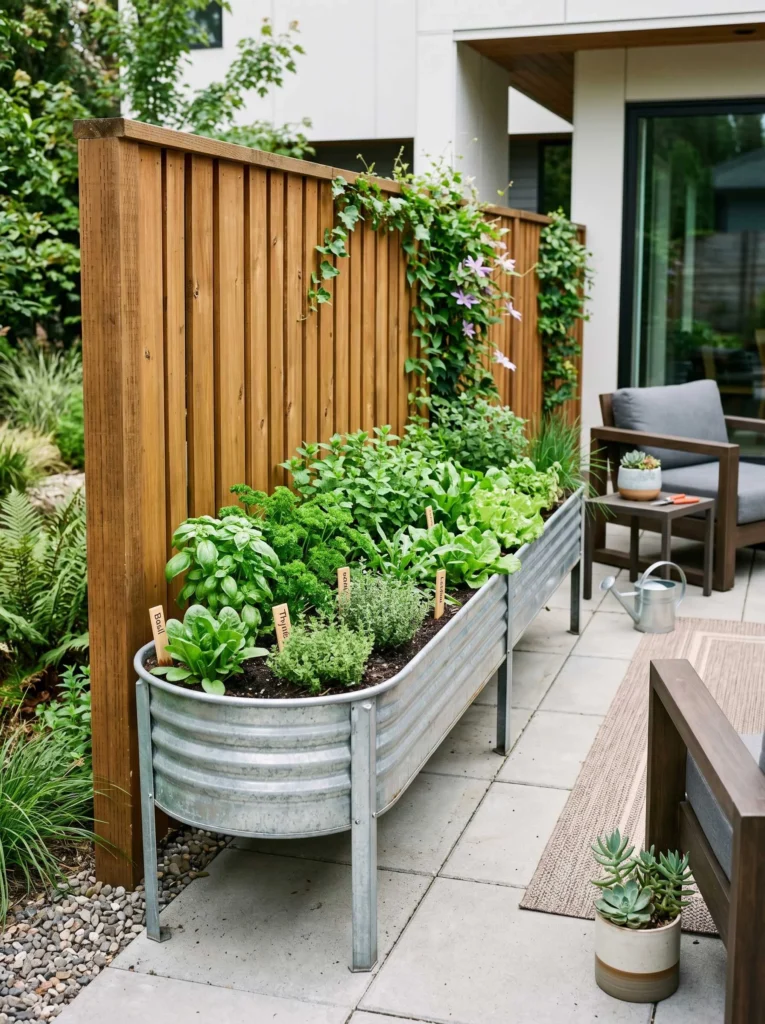
Galvanized steel troughs have become really popular for a reason they’re durable, they look incredibly sleek, and they age in this beautiful rustic way over time. They come in long narrow shapes that fit perfectly along fences, walls, or the edge of a deck. They heat up a bit faster in spring which actually helps seeds germinate earlier, though in hotter climates you’ll want to insulate them a little. I think they look especially good in modern or industrial-style outdoor spaces. Line up two or three along a fence and plant herbs, salad greens, or even small root vegetables. The contrast between the cool gray metal and bright green plants is genuinely pretty.
Window Box Raised Planters Along Railings
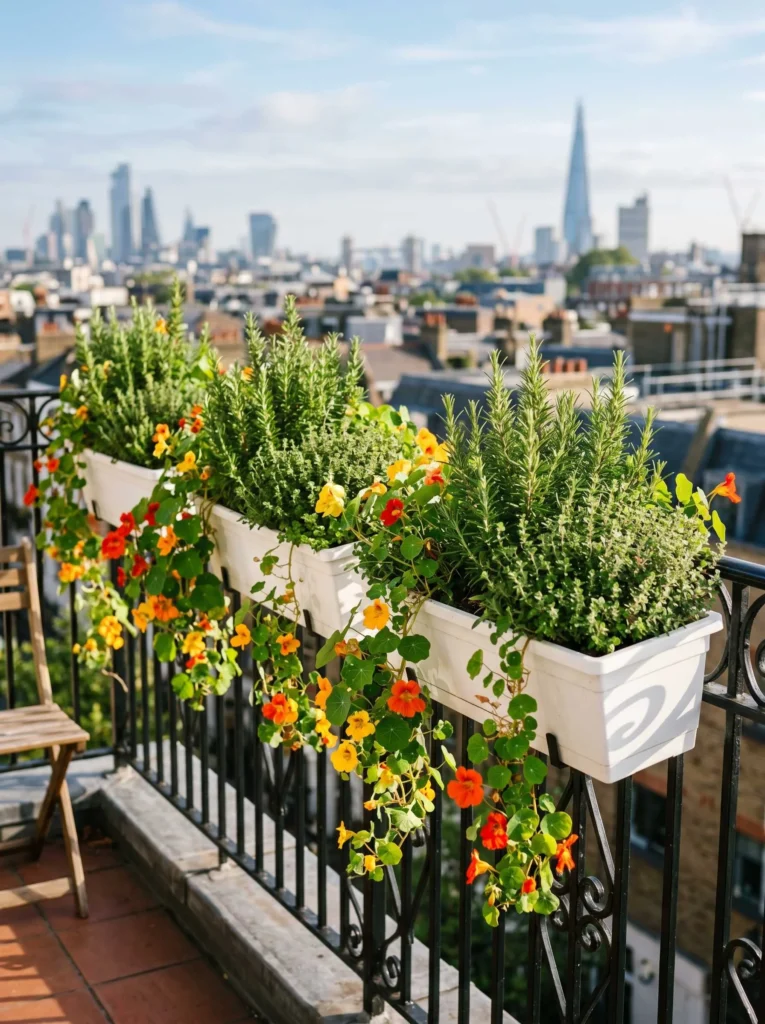
If you have a balcony with railings, window box style raised planters are honestly a game-changer. They mount directly onto the railing and hang over the edge or sit flush on top, giving you planting space that literally takes up zero floor area. These work beautifully for herbs think thyme, rosemary, chives, and mint or for trailing flowers like nasturtiums or petunias. You can line your entire railing with them and suddenly your balcony feels like a garden. Go for boxes with built-in drainage trays so you’re not constantly worrying about overwatering dripping onto downstairs neighbors.
Raised Bed Benches That Double as Seating
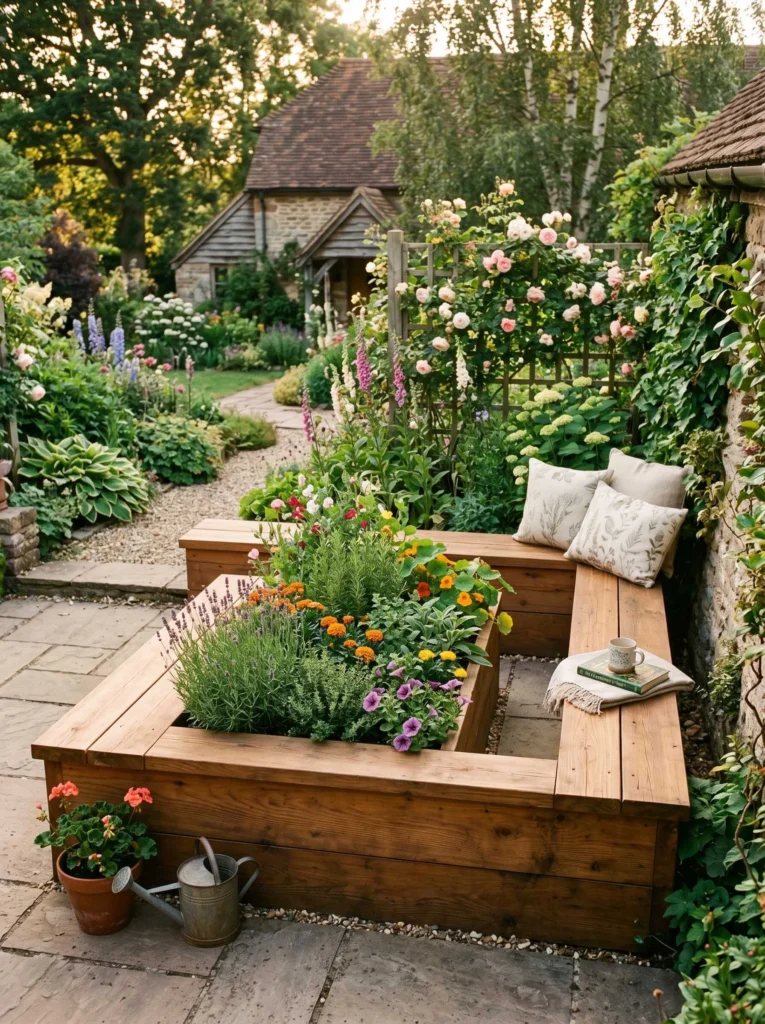
This one is so smart and I wish more people knew about it. A raised bed bench is literally a garden bed built with seating on the sides, so you’re creating a place to sit and a place to grow at the same time. It’s perfect for small patios where every piece of furniture needs to serve more than one purpose. You can plant herbs or flowers in the center bed and use the wide wooden edges as casual seating when you’re having people over. It makes a small outdoor space feel complete and thoughtfully designed without crowding it.
Fabric Grow Bag Raised Beds for Flexibility
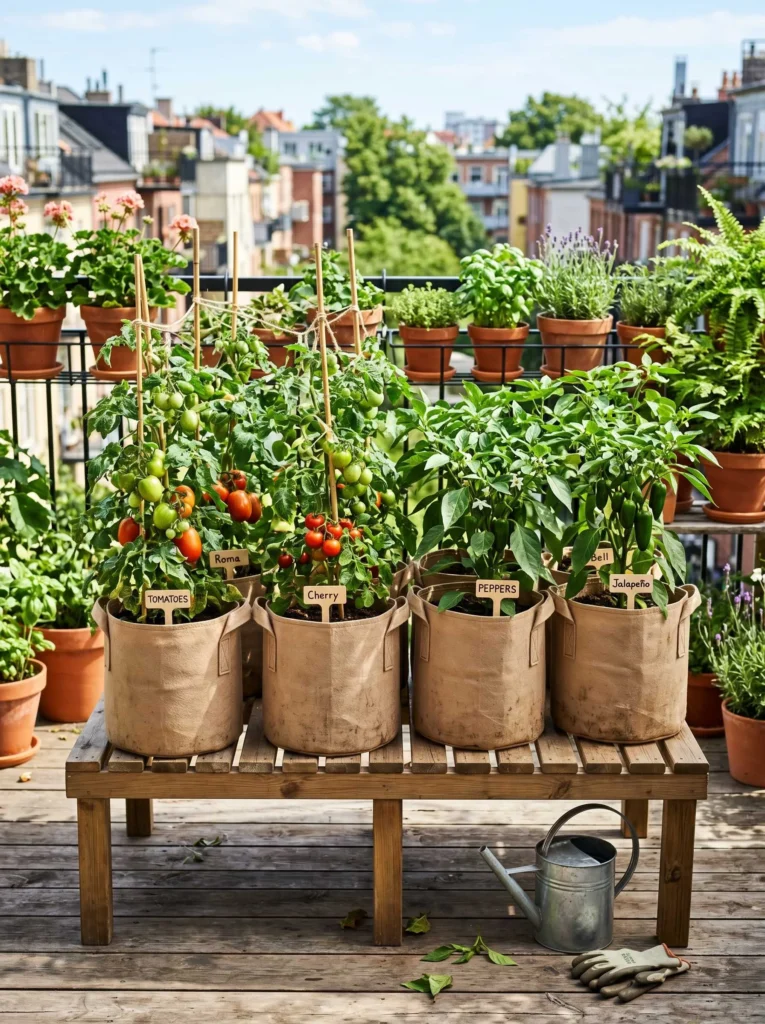
Fabric grow bags aren’t exactly raised beds in the traditional sense, but if you elevate them on a simple stand or stack them on a low platform, they work beautifully. The real appeal is how flexible they are you can move them around, store them flat in winter, and they actually promote healthier root growth because of air pruning. They come in tons of sizes and even earthy neutral tones that look surprisingly nice in a small garden. Fill them with potatoes, tomatoes, peppers, or any deep-rooted vegetable and you’ll be genuinely shocked at the yield from such a small footprint.
Pallet Garden Raised Bed Idea
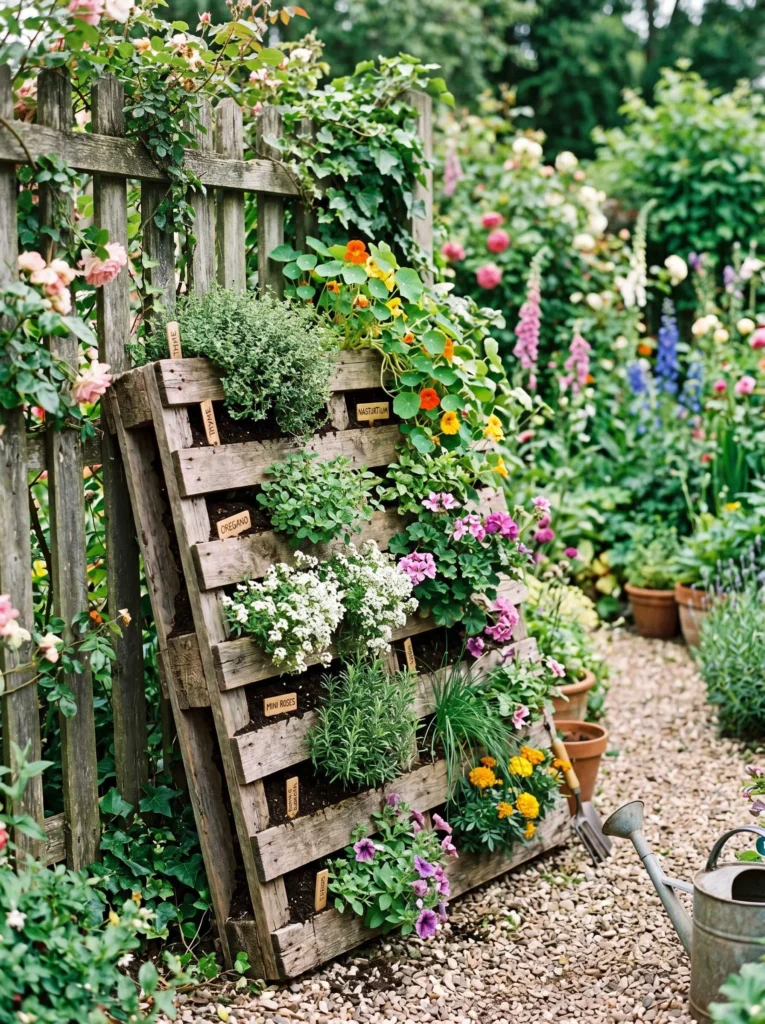
A wooden pallet leaned against a wall or fence and filled with soil creates one of the most low-cost raised garden setups you’ll ever find. The pockets between the slats hold plants naturally, and if you line the back with landscape fabric before filling it with soil, it holds everything in beautifully. This setup works really well for herbs, succulents, and shallow-rooted flowers like pansies or strawberries. It’s not the most polished look, but honestly it has this relaxed, DIY charm that feels very cottage garden. And it costs almost nothing, which is always a win.
Raised Herb Spiral Garden
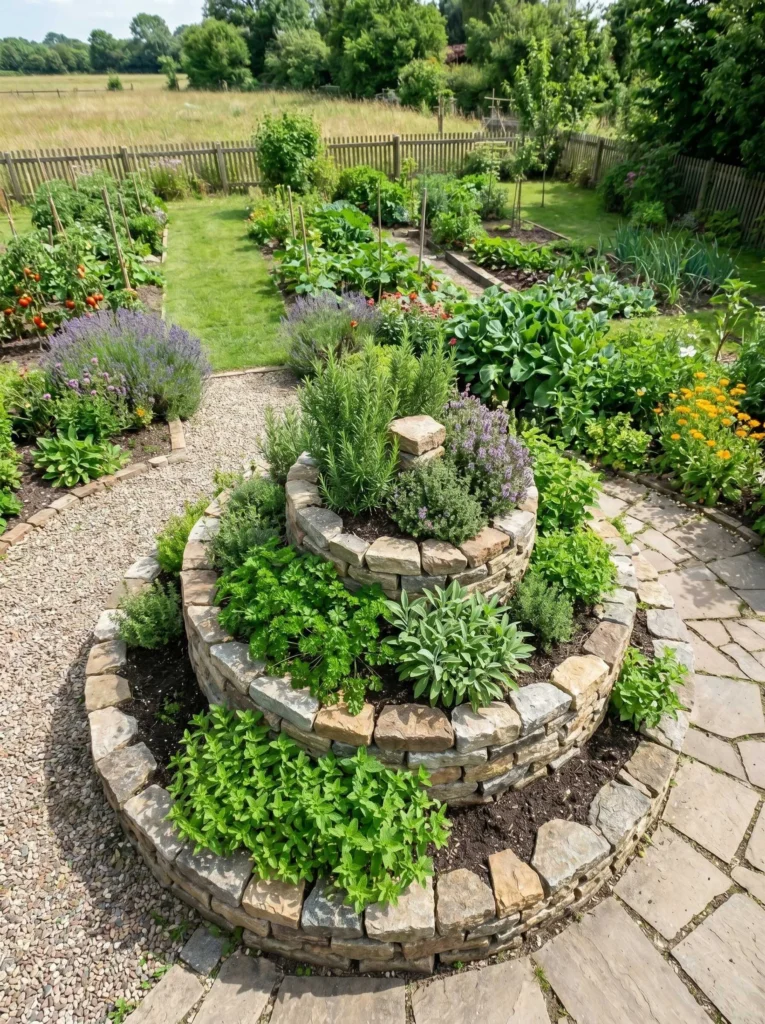
An herb spiral is one of those raised garden bed ideas for small spaces that looks like you put in way more effort than you did. It’s a circular bed that spirals upward in the center, creating different microclimates drier and sunnier at the top, more moisture at the base. That means you can grow Mediterranean herbs like rosemary and thyme at the top and water-loving ones like mint or parsley at the bottom, all in a small circular footprint. It’s architecturally interesting, it’s practical, and it genuinely becomes a focal point in any small garden. Building one from stone, brick, or even stacked wood rounds is a really satisfying weekend project.
Raised Beds Built Into a Deck
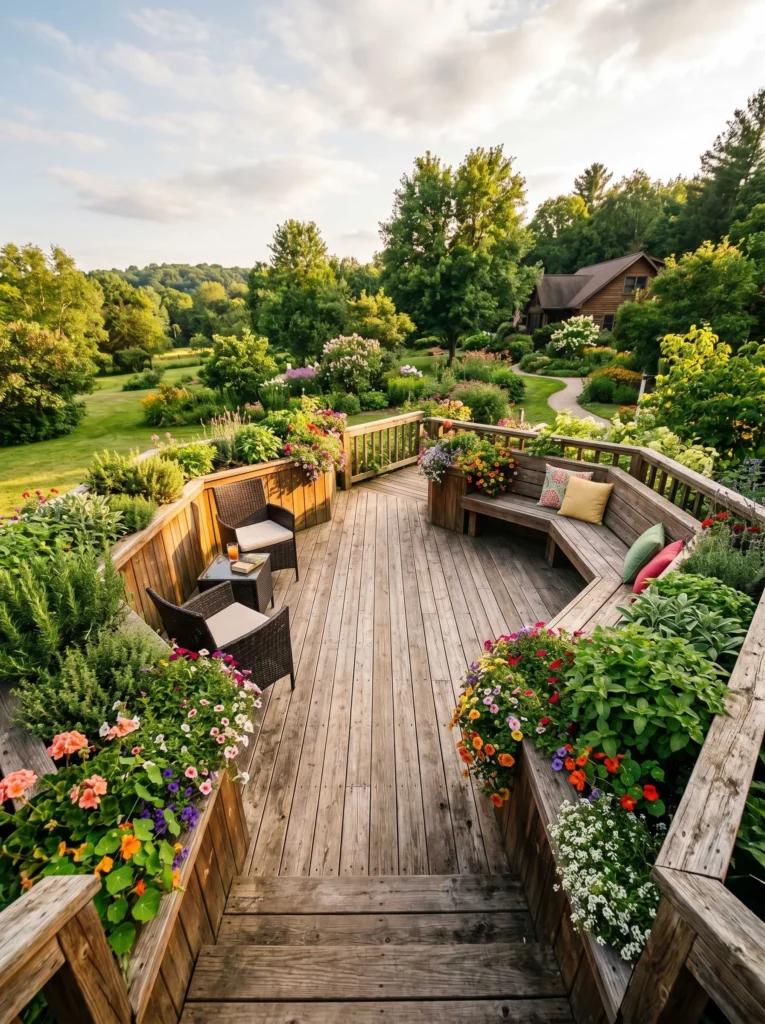
If you’re building or renovating a deck, building raised beds directly into the structure is one of the smartest things you can do for a small space. The beds become part of the deck itself framed with matching wood and integrated along the edges or in corners. It makes the whole outdoor space feel cohesive and designed, not just functional. You can plant trailing plants that cascade over the edges for a soft, lush look, or go for structured herbs and greens if you want something more tidy. It’s a bit more involved to build but the result is genuinely beautiful.
Stacked Cinder Block Raised Beds
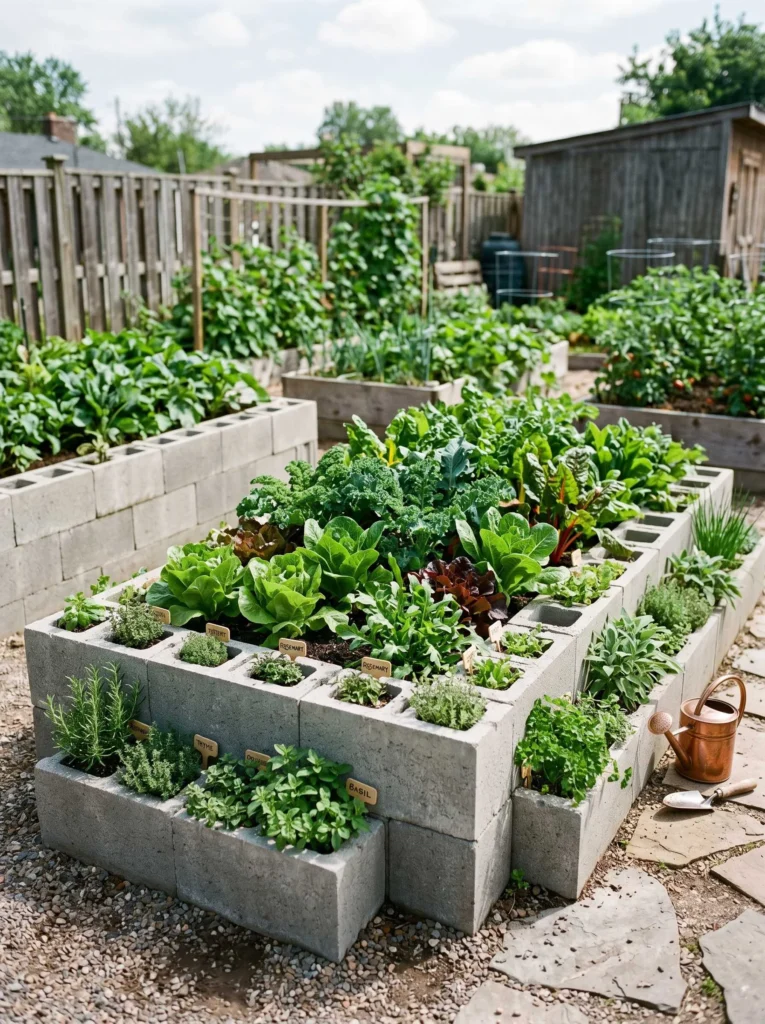
Cinder blocks are surprisingly versatile for small space raised garden beds. Stack them two or three levels high in whatever shape fits your space, and you’ve got a solid, durable raised bed with no rotting or warping to worry about. The hollow cells in the blocks are perfect for planting herbs or succulents on the sides, which gives the whole thing this really cool layered, planted-wall look. It’s a great option if you want something sturdy and cheap that you can build in a single afternoon. Paint the blocks or leave them natural both look good depending on the rest of your space.
Narrow Raised Beds Along a Fence Line
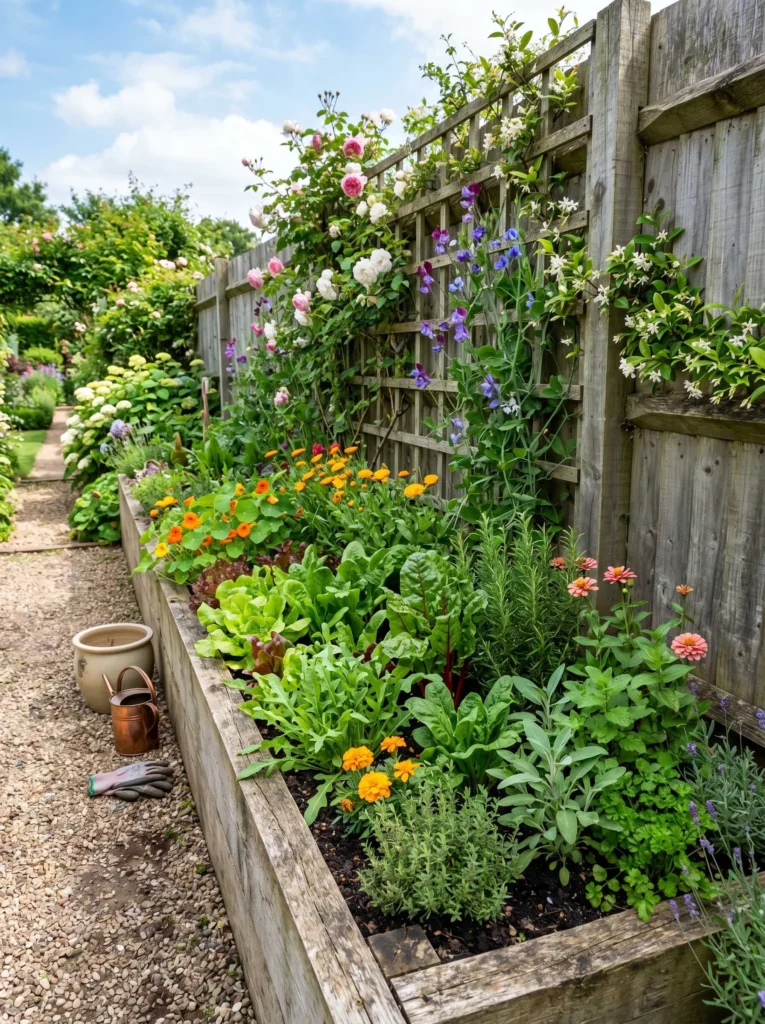
A long, narrow raised bed running along a fence line is one of the most underused small-space gardening ideas out there. Even a bed that’s just 12 to 18 inches wide gives you plenty of room to grow herbs, salad greens, flowers, or climbing plants trained up the fence. The fence itself becomes part of your garden — you can attach trellises, hooks, or even pocket planters to it. This approach uses a strip of ground that’s usually wasted and turns it into something genuinely productive and pretty. A bed painted in a deep green or charcoal grey looks really sharp against a natural wood fence.
Raised Keyhole Garden for Compact Growing
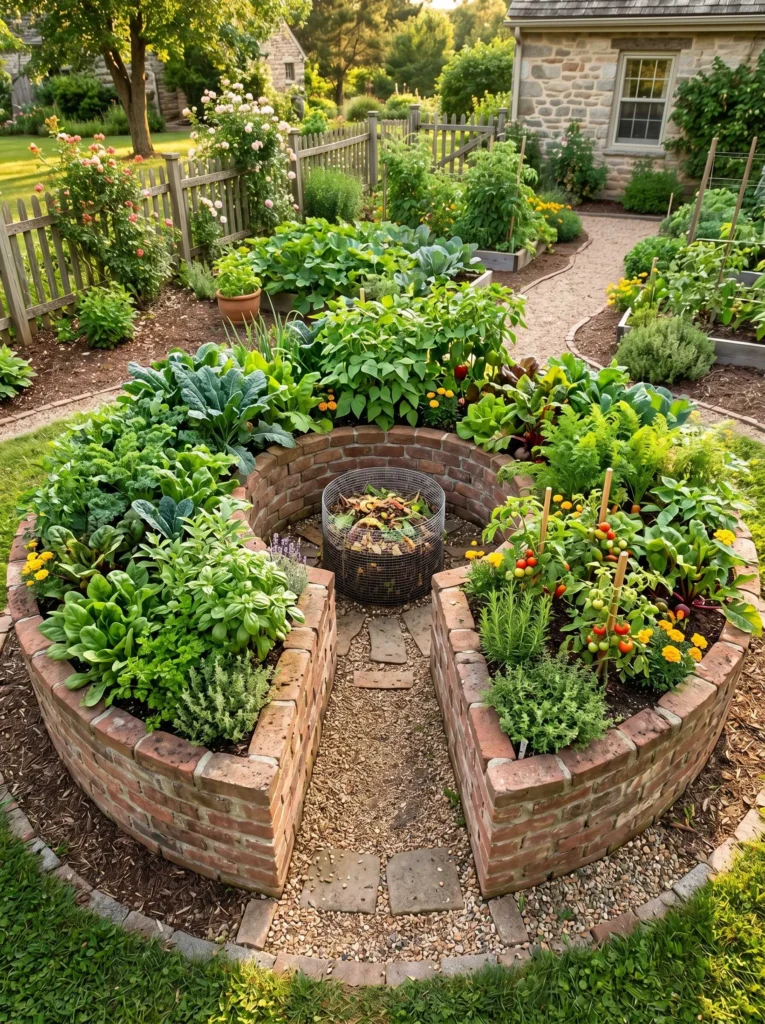
A keyhole garden is a circular raised bed with a narrow cutout path leading to the center like a keyhole shape from above. The design means you can reach every part of the bed from the center path without stepping on the soil or stretching awkwardly. It’s a brilliant small-space solution that maximizes planting area in a compact circular footprint. The center often includes a compost basket that feeds the whole bed continuously, so it’s also really low-maintenance. I honestly think the keyhole garden is one of the cleverest raised bed designs out there, and it looks really intentional and neat in a small garden.
Raised Beds on Casters for Moveable Gardens
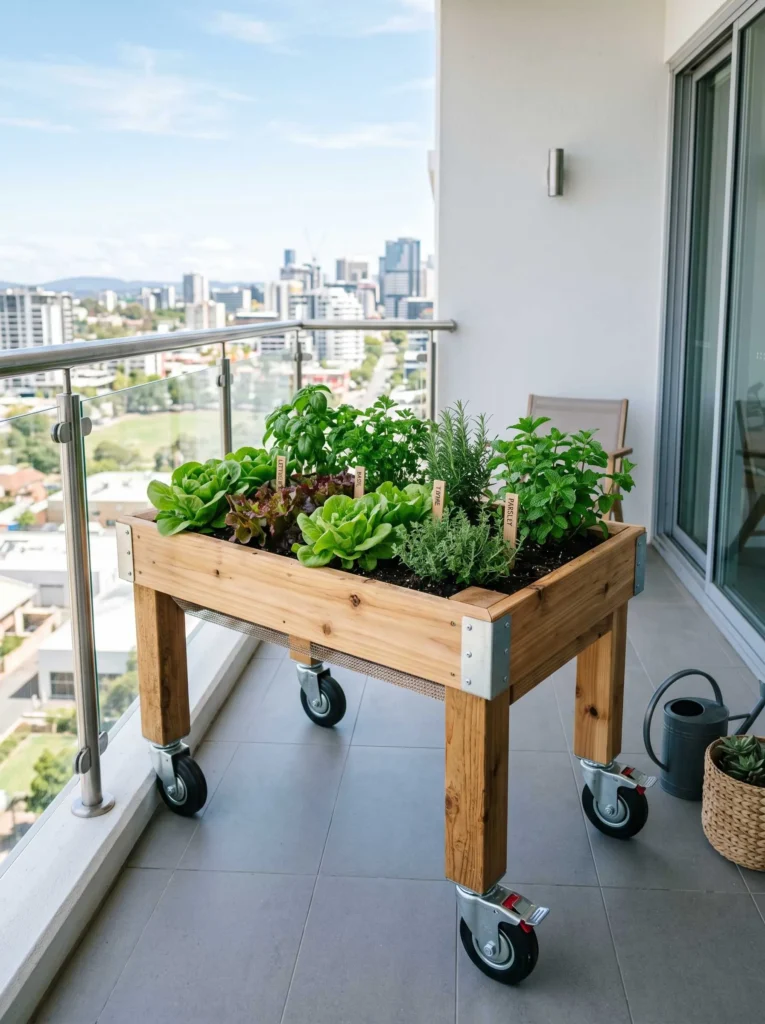
Putting your raised bed on wheels sounds a little unconventional, but it’s honestly genius for small spaces, especially balconies and patios where sunlight shifts throughout the season. Build a shallow but wide raised bed on a platform with locking casters and you can roll your whole garden toward the sun as needed. It’s also great for apartment dwellers who move frequently your garden comes with you. Keep it lightweight by using a mix of potting soil and perlite, and go for compact plants like lettuce, radishes, or herbs that don’t need deep roots. The whole setup can be surprisingly stylish with the right wood choice.
Raised Strawberry Planter Tower
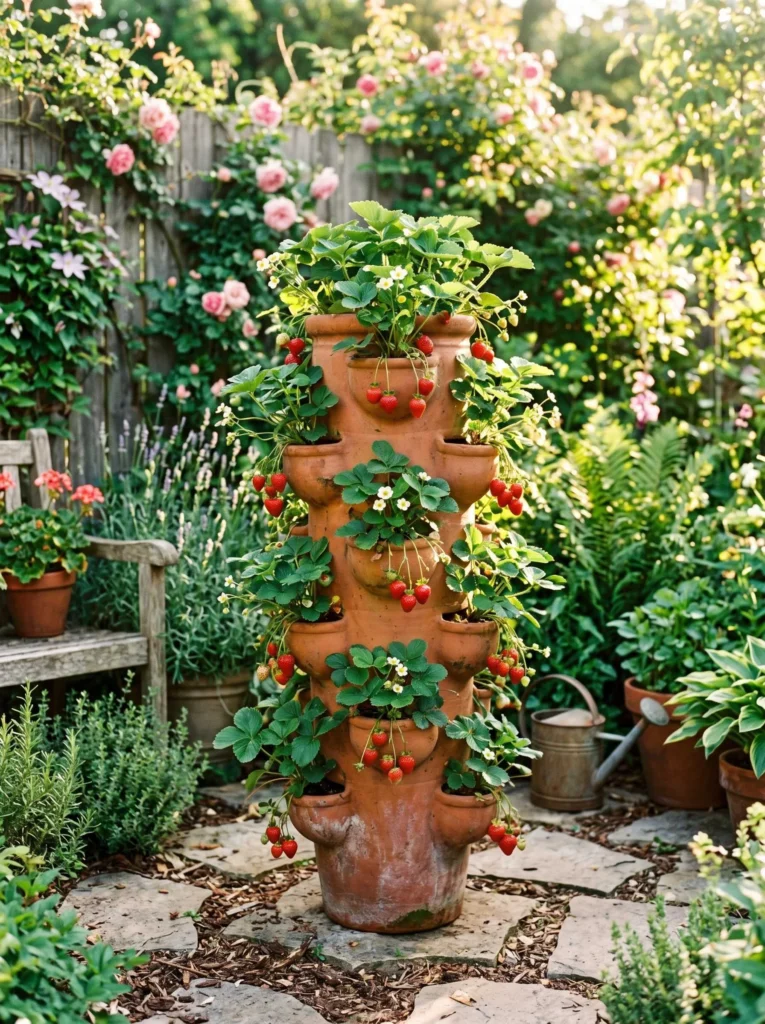
A strawberry tower is essentially a tall raised planter with openings all around the sides, letting you grow strawberries (or herbs) in a vertical column that takes up almost no floor space. They’re usually made from terracotta, plastic, or wood and can fit into the tightest corners. The trailing habit of strawberry plants works perfectly here the fruits hang down from each opening and the whole thing looks really charming and productive at the same time. It’s one of those raised garden bed ideas for small spaces that also happens to be genuinely beautiful, especially when the plants are fruiting.
Raised Bed With Built-In Trellis
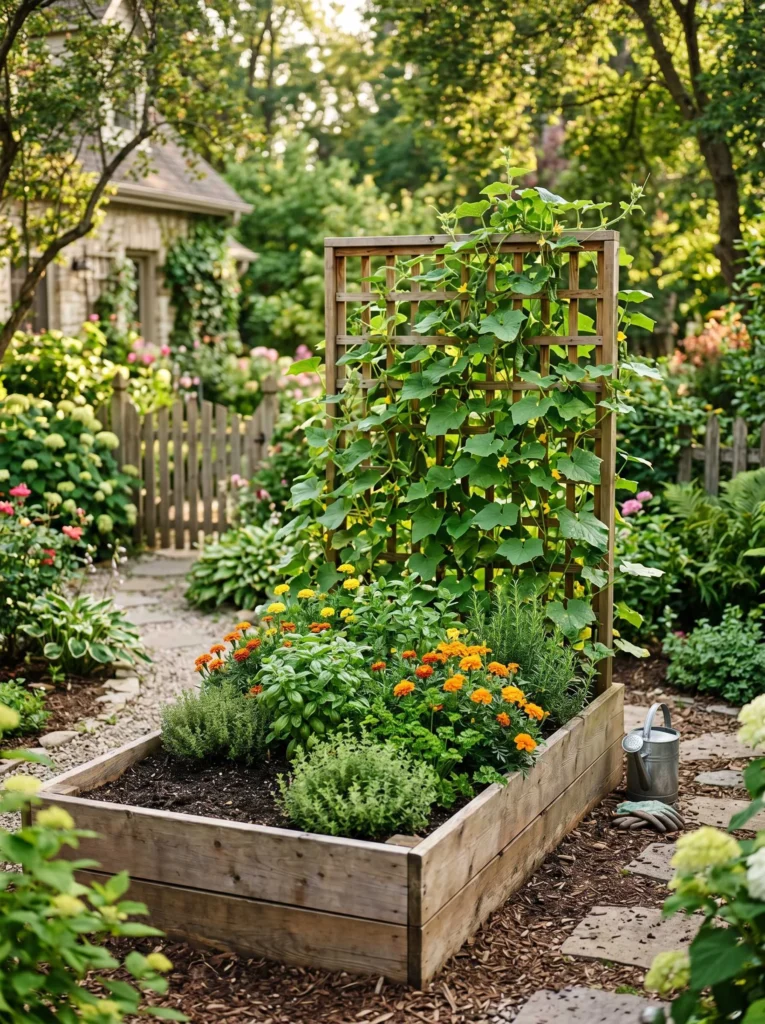
Adding a built-in trellis at the back of a raised bed essentially doubles your growing space by taking plants vertical. You can grow cucumbers, beans, peas, or even small squash varieties up the trellis while keeping compact plants at the base of the bed. It’s a really efficient use of both ground space and air space in a small garden. The trellis also creates a nice visual backdrop especially if you let flowering vines grow up it. Build the trellis directly into the back of the bed frame using wood or metal rods for a clean, permanent look that doesn’t require extra structures cluttering your space.
Raised Bed Table Garden for Accessibility and Style
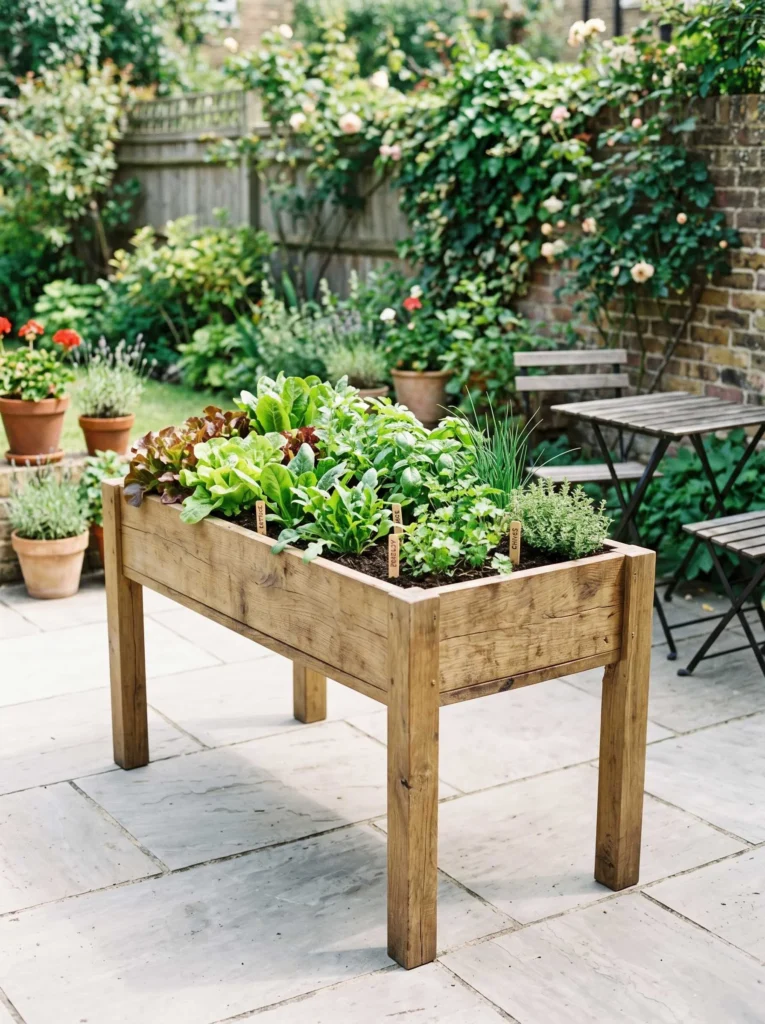
A raised bed at table height is something I honestly think everyone should consider, not just people with mobility concerns. When your garden bed is at waist or hip height, gardening becomes so much more enjoyable no bending, no kneeling, no back pain. It also looks really elegant in a small outdoor space, more like a piece of garden furniture than a grow bed. You can build one from cedar or reclaimed wood with sturdy legs and a depth of about 12 inches for most plants. Use it for herbs, salad greens, or flowers and it’ll become the centerpiece of your patio.
Repurposed Dresser Drawer Raised Beds
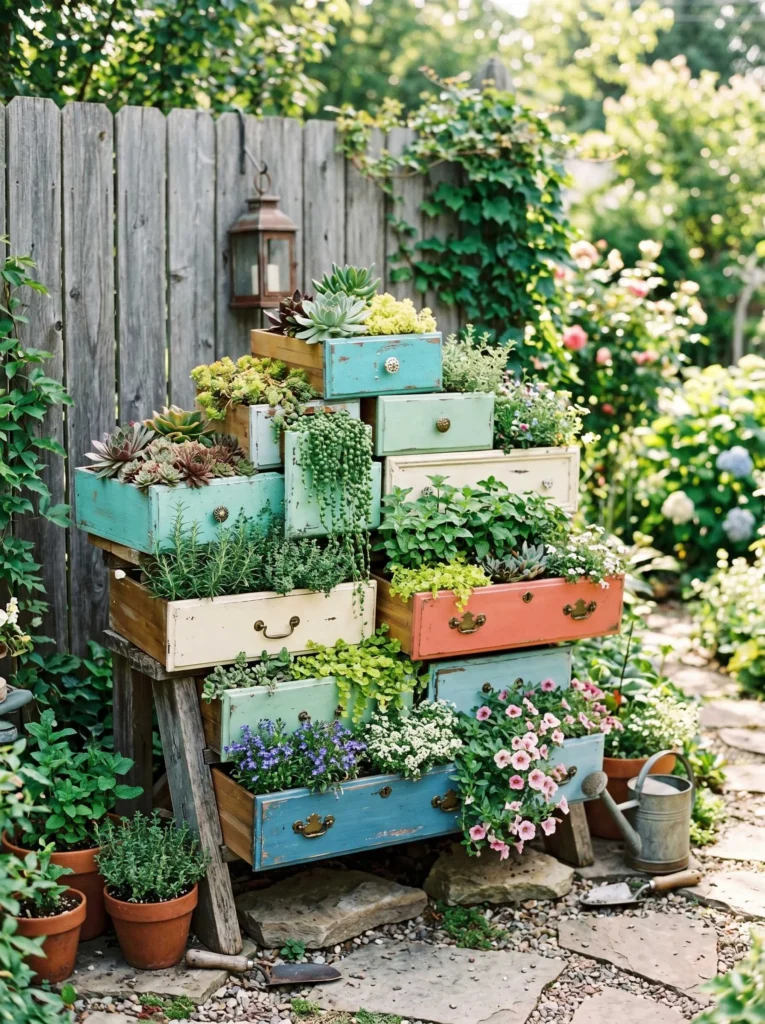
This one is purely for the people who love a creative, one-of-a-kind garden look. Old dresser drawers especially deep ones make surprisingly good small raised beds. Line them with landscape fabric, drill drainage holes, fill with soil, and plant away. Arrange multiple drawers at different heights on a pallet or simple shelving unit for a really whimsical, layered display. Paint them in coordinating colors or let them go naturally weathered. Succulents, herbs, and small flowers work beautifully in these. It’s the kind of raised garden setup that makes people stop and ask about it, which is always fun.
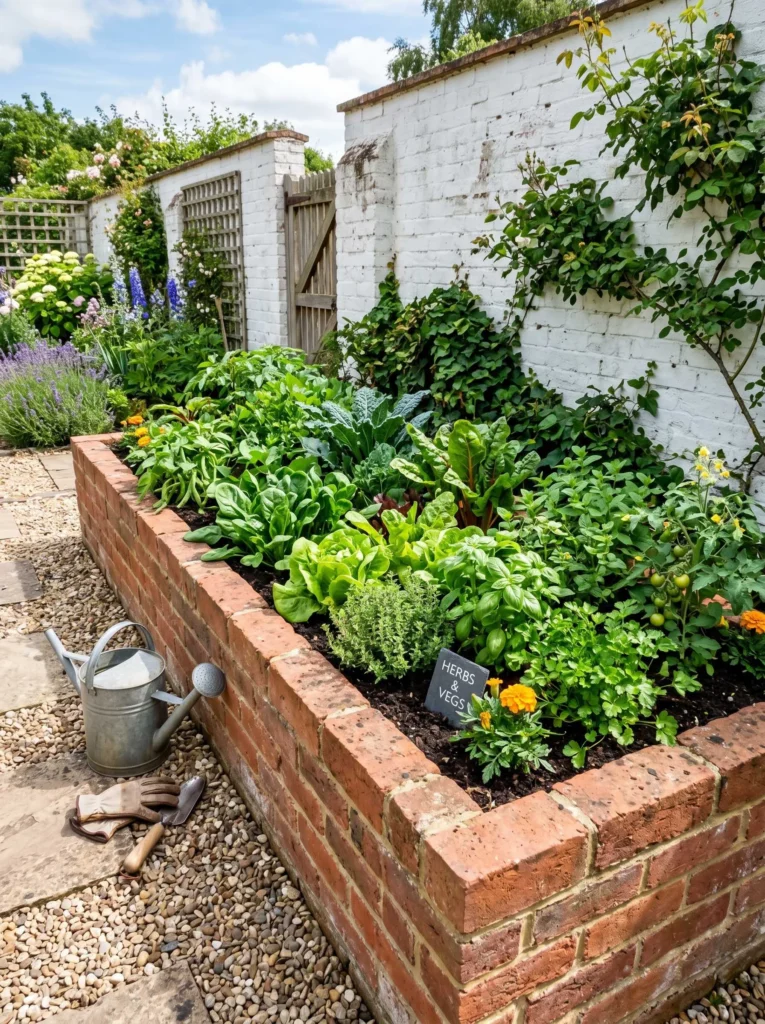
Raised Brick Garden Beds for a Permanent Look
If you want something truly permanent and low-maintenance, a raised brick bed is hard to beat. Brick holds heat really well, which helps extend the growing season, and it looks classic and clean in almost any garden style. Stack bricks two or three courses high without mortar for easy adjustments, or mortar them in place if you want something more solid and formal. The warm earthy tones of brick complement both green plants and flowering ones beautifully. A brick raised bed along a white stucco wall or natural stone path looks incredibly put-together for a small space.
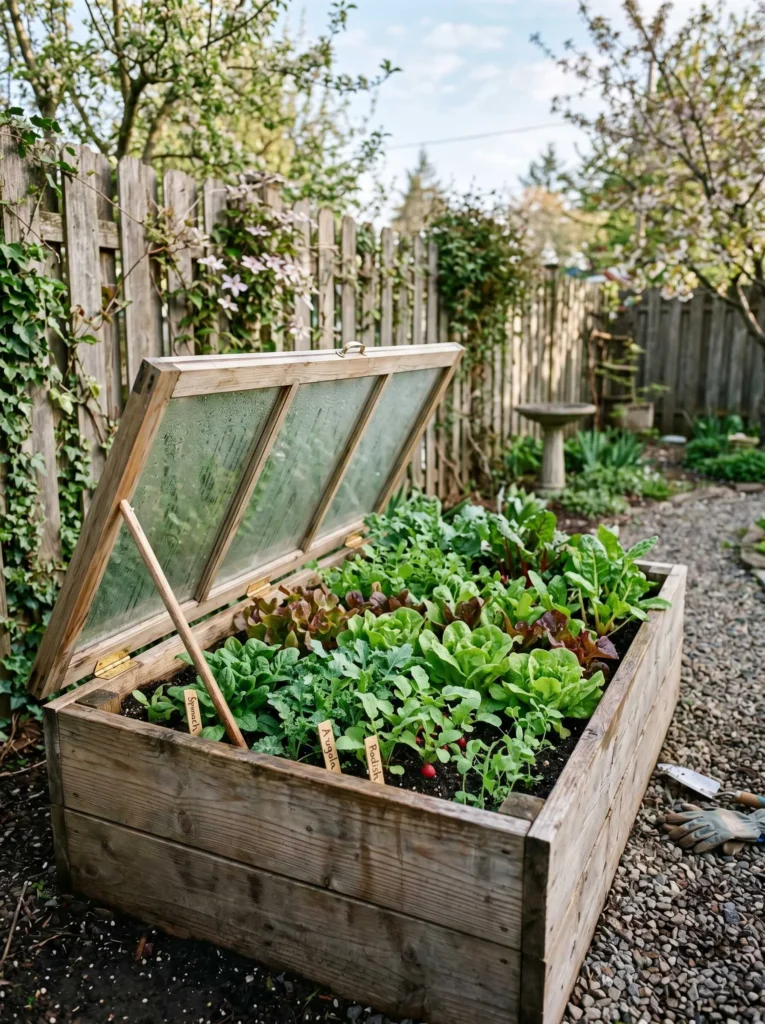
Raised Bed Cold Frame for Year-Round Growing
A cold frame raised bed is basically a raised bed with a glass or polycarbonate lid that acts like a mini greenhouse. In colder months it protects your plants from frost and extends your growing season significantly sometimes by months. In a small space this is huge because you’re essentially getting more growing time from the same footprint. You can build the lid with hinges so it opens easily for watering and harvesting. Use it for cool-season crops like kale, spinach, carrots, and lettuce through fall and early spring. It’s one of the most practical small-space raised bed upgrades you can make.
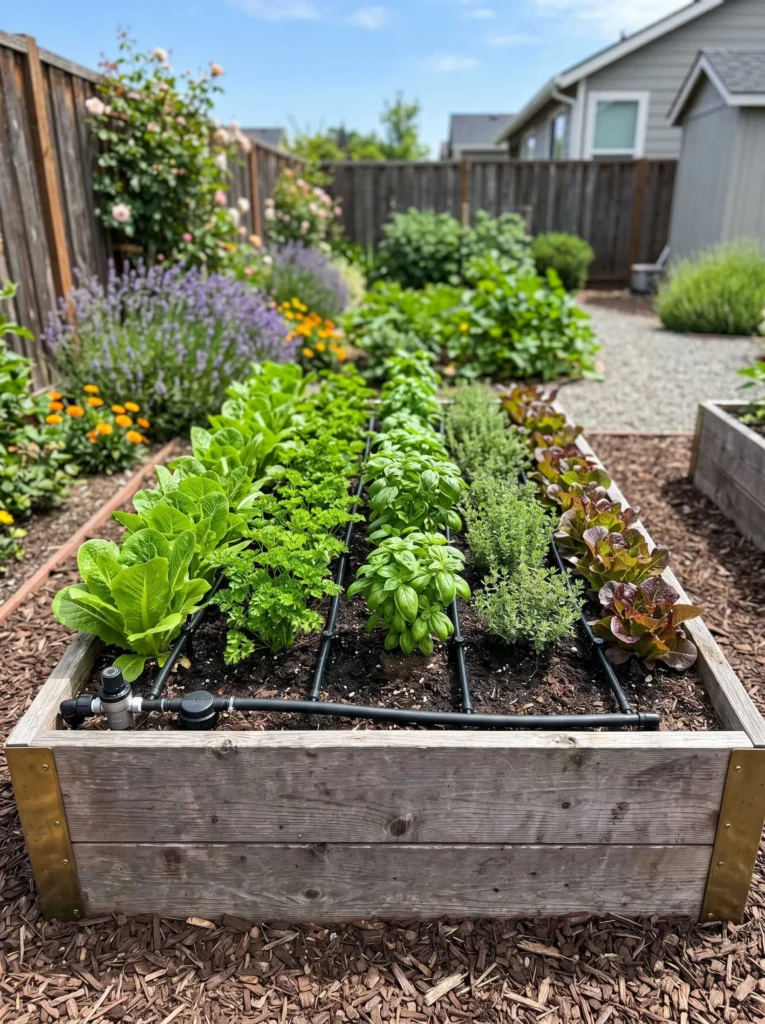
Raised Bed with Automated Drip Irrigation
Pairing a small raised bed with a simple drip irrigation system makes a world of difference for busy people. You set it up once, connect it to a small timer, and your plants get exactly the water they need without you having to think about it. This is especially valuable in a small space where consistent watering really matters for healthy compact plants. The system is easy to install yourself with basic supplies from a hardware store, and it keeps the soil moisture steady rather than going through wet and dry cycles. It’s the kind of upgrade that makes you wonder why you waited so long.
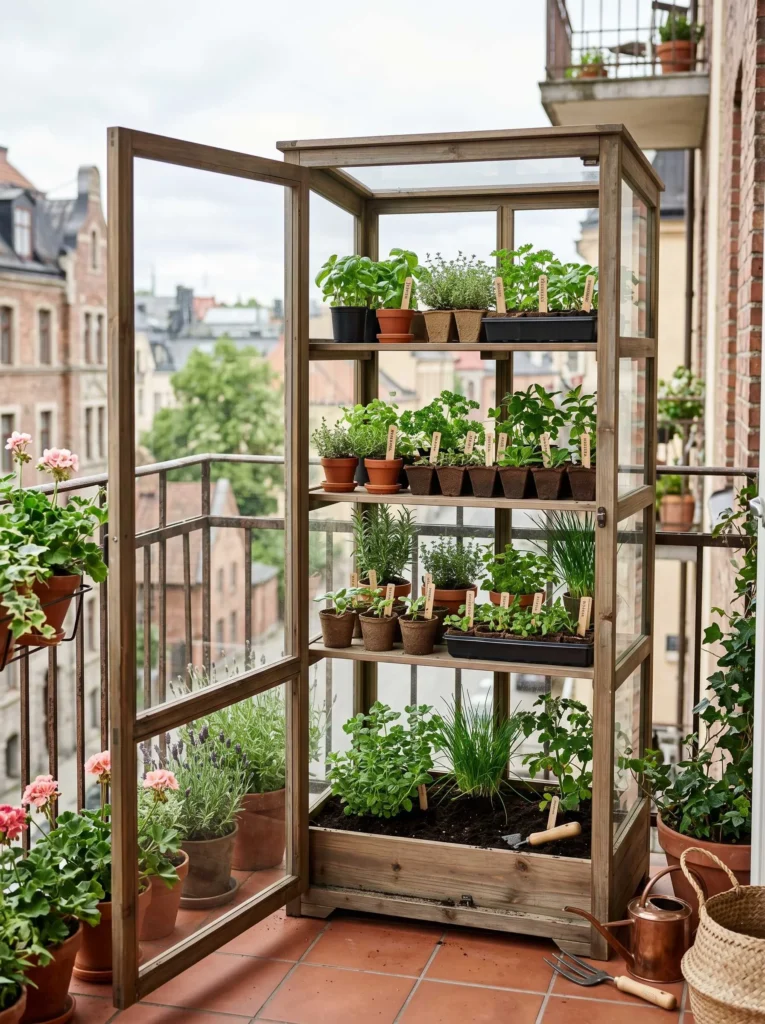
Raised Bed Inside a Greenhouse Cabinet
A compact greenhouse cabinet essentially a shelving unit with a zippered transparent cover can turn a small raised bed setup into a protected micro-garden. Line the shelves with trays or use a shallow raised bed on the bottom level, and the cabinet keeps warmth in and pests out. It’s perfect for starting seeds early in spring or growing tropical herbs like basil year-round in cooler climates. They’re available in all kinds of sizes and are surprisingly affordable. Place one on a balcony or patio and it adds this really tidy, organized garden-room feeling to even the smallest outdoor space.
Raised Beds in Square-Foot Grid Style
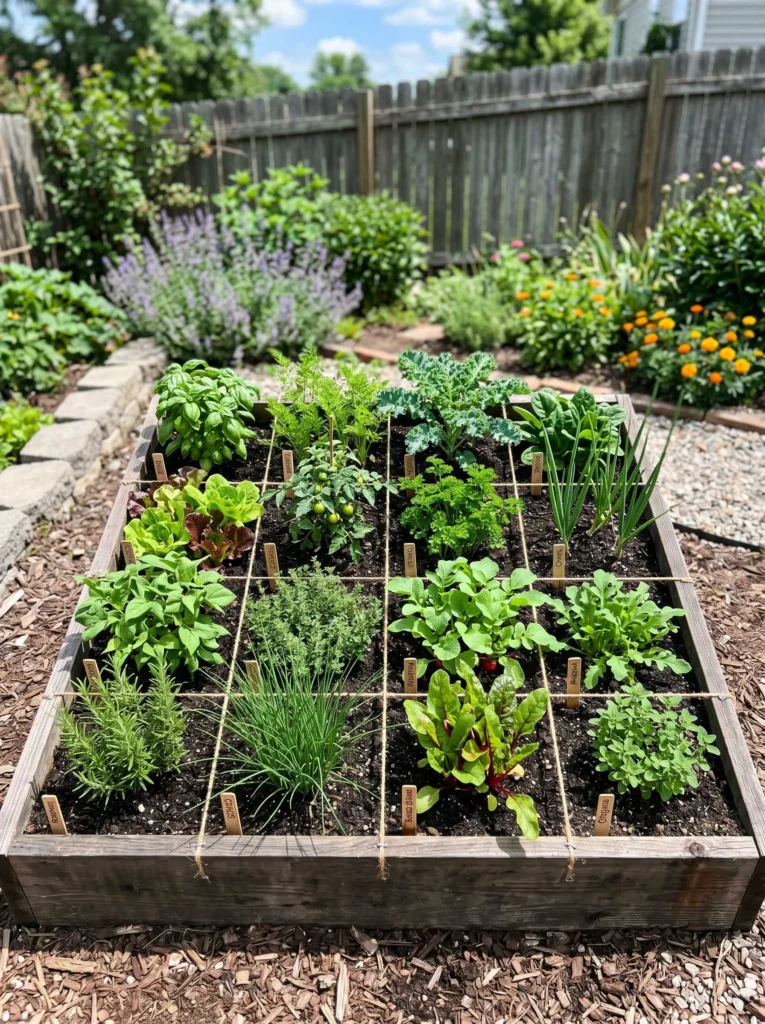
Square-foot gardening inside a raised bed is one of the most efficient systems I’ve ever come across for small spaces. The bed is divided into a grid with each square foot planted with a specific number of plants based on their size. Carrots get 16 per square, tomatoes get one, herbs get four the system tells you exactly how to space everything. In a small raised bed, this method can yield an almost unbelievable amount of produce. It also keeps things visually neat and organized, which I find really satisfying. A simple 4×4 bed using this method can honestly feed a household of two through the growing season.
Sunken Raised Bed Illusion for Tiny Yards
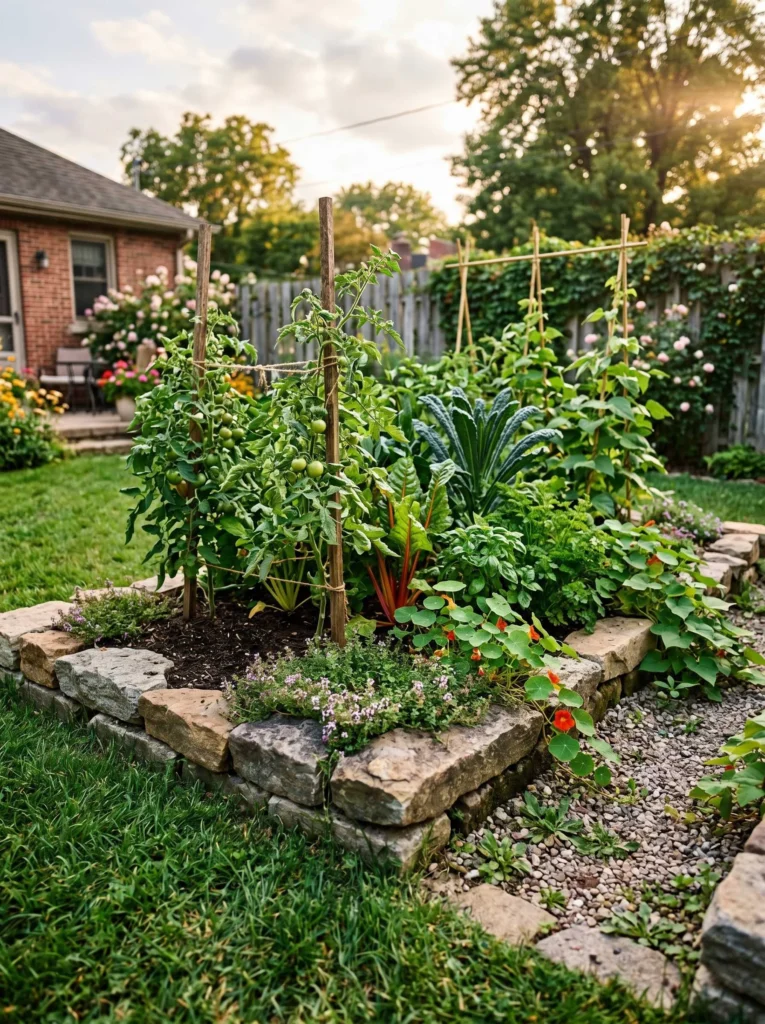
This is a clever one instead of building upward, you partially dig down and frame the edges with wood or stone, creating a raised bed that sits slightly above ground rather than dramatically elevated. This approach works beautifully in small yards where a tall raised bed might feel overwhelming or block sightlines. It also gives great drainage and root depth. The framed edges make it look polished and intentional while keeping the visual footprint low. Fill it with taller plants that create a lush, full look from ground level it ends up feeling like a planted garden room even in a very compact yard.
Repurposed Metal Stock Tank Raised Beds
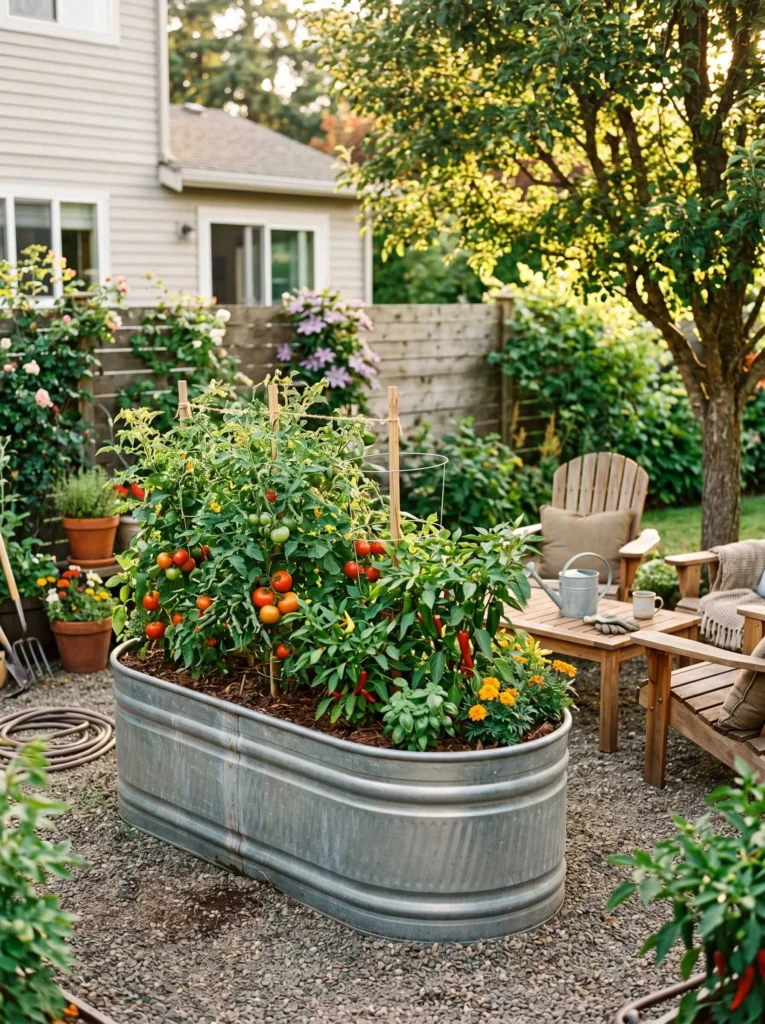
Metal livestock tanks the big oval tubs used on farms have become one of the trendiest raised bed options for good reason. They come in sizes that fit small spaces, they’re incredibly durable, and they have this cool vintage farmhouse look that’s genuinely appealing. Drill drainage holes in the bottom, fill with a good potting mix, and you’ve got a deep, productive raised bed that will last decades. They work great for tomatoes, peppers, squash, or any deeper-rooted plant. They look especially good on gravel or wood deck surfaces and pair beautifully with simple wooden furniture or string lights.
Raised Bed Planter Wall System
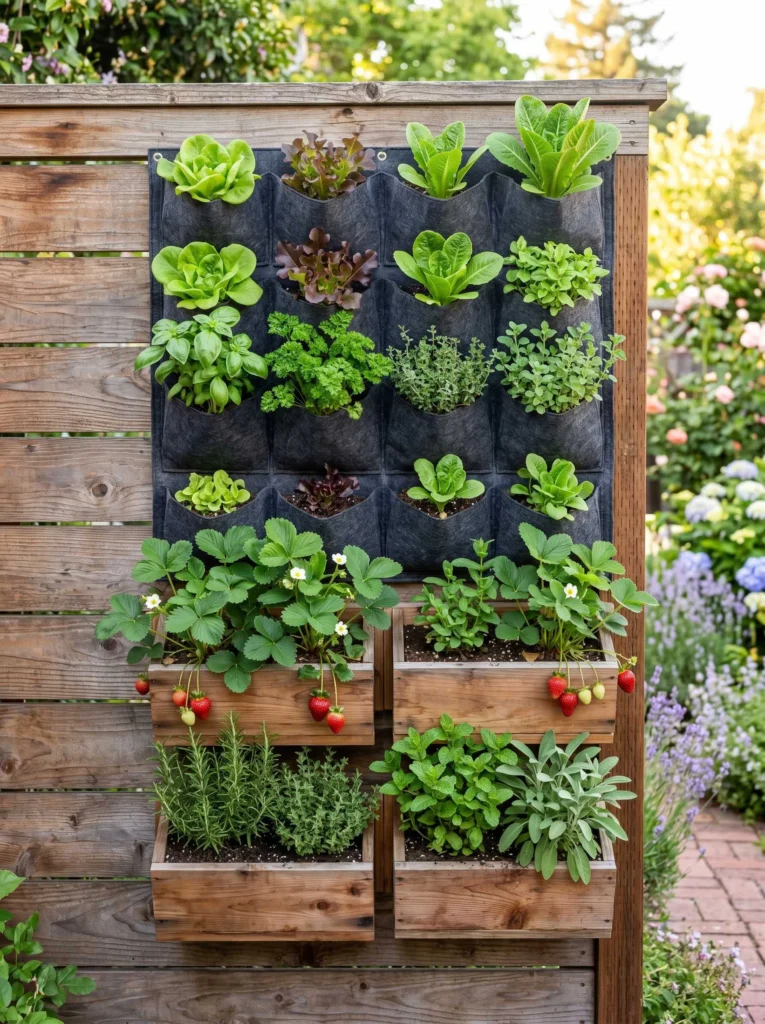
A planter wall system is essentially a modular raised bed setup where individual planting pods attach to a wall-mounted frame, creating a living wall effect. This is probably the most space-efficient raised garden bed idea for small spaces because it moves the entire garden off the ground and onto a wall. You can grow herbs, strawberries, lettuces, and small flowers in individual pockets while the floor stays completely open. These systems are available as kits or you can DIY them with pockets of felt fabric, wood boxes, or even repurposed gutters. A full planter wall in a small outdoor space genuinely looks like something out of a design magazine.
Style Tips to Elevate Your Small Space Raised Garden
- Choose materials that match your outdoor aesthetic cedar for a natural look, galvanized steel for modern, brick for classic it makes the whole space feel more intentional.
- Always add a trellis or vertical element to at least one raised bed to maximize growing space without spreading out horizontally.
- Use companion planting in small raised beds pairing plants like tomatoes and basil or carrots and onions helps with pest control and actually improves flavor.
- Line the bottom of your raised beds with cardboard before adding soil to suppress weeds naturally without chemicals.
- If floor space is seriously limited, go with a mix of ground-level and elevated beds at different heights to create a layered, lush garden feel.
- Water deeply but less frequently to encourage deep root growth in raised beds, which keeps plants healthier and more drought-resistant over time.
FAQs About Raised Garden Bed Ideas for Small Spaces
What’s the best raised garden bed size for a small patio? Honestly, a 2×4 foot bed is probably the sweet spot for most small patios. It’s compact enough to fit without crowding the space but large enough to grow a meaningful amount of herbs, greens, or compact vegetables. Raised garden bed ideas for small spaces really shine when the bed size is realistic for the footprint you have.
Can you grow vegetables in a raised bed on a balcony? Yes, absolutely. Lots of vegetables grow really well in raised beds on balconies tomatoes, peppers, lettuce, spinach, herbs, and radishes are all great options. Just make sure your balcony can handle the weight of a filled bed, especially if you’re using a large galvanized trough or deep planter.
What should I fill a small raised bed with? A mix of two-thirds quality potting soil and one-third compost is a solid starting point for most raised beds. Avoid using straight garden soil it compacts too much and doesn’t drain well in a contained bed. For very shallow beds, adding perlite helps with drainage and keeps things light.
How do I keep pests out of a raised garden bed in a small space? Row covers, copper tape around the rim, and companion planting are all effective low-effort options. In small raised bed setups, it’s also easier to install a simple wire mesh bottom to keep out moles and voles if that’s an issue in your area.
conclusion
I hope these raised garden bed ideas for small spaces showed you that limited square footage really isn’t the barrier it might feel like. Some of the most productive, beautiful gardens I’ve seen exist on tiny balconies, narrow side yards, and compact patios. You don’t need a lot of room you just need the right setup and a little creativity. If any of these ideas spoke to you, save this page, pin it, or share it with a friend who’s been meaning to start a garden. Because honestly, the best time to start is just whenever you feel ready.